
Show Me: Branding in a post truth world
We explore how consumer behaviour is changing and what this means for brands.

Branding in a Post - Truth World
An Issue of Trust
Trust has become one of the defining challenges facing brands.
Consumers are no longer guided exclusively by expert opinion or traditional authority. Instead, they are increasingly influenced by alternative voices, challenger brands and new sources of information. Media fragmentation and growing scepticism have made truth feel more subjective, creating a landscape where trust is harder to earn and easier to lose.
Consumer trust declined significantly during this period, creating opportunities for disruptive brands to challenge established players.
In an environment defined by uncertainty and constant change, brands cannot rely on simply telling the truth. Consumers expect more. They want transparency, authenticity, meaningful engagement and clear values.
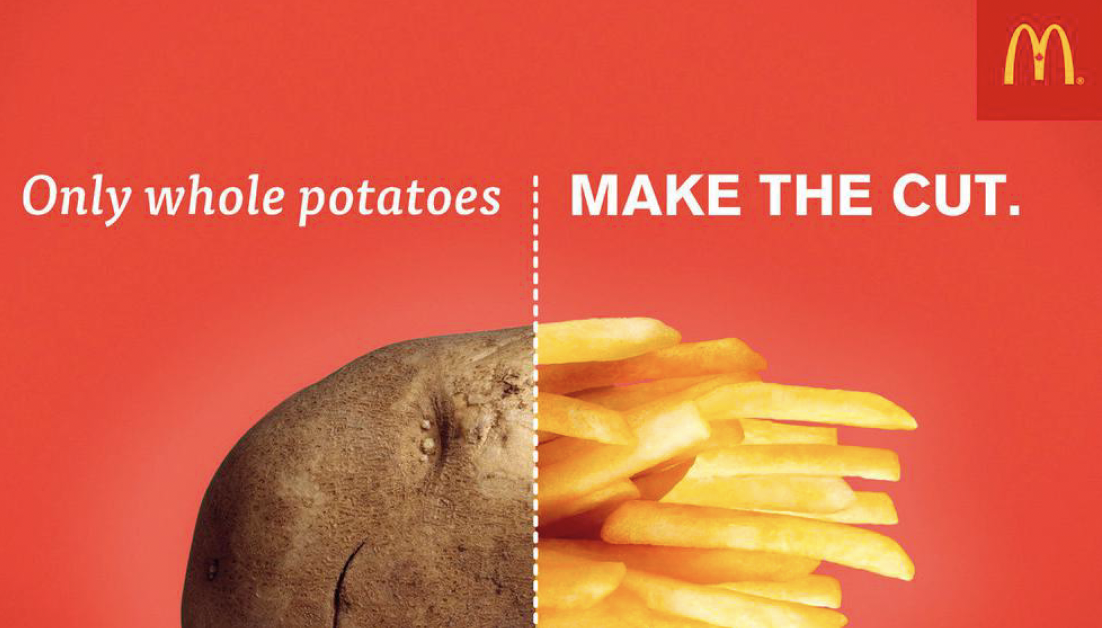
Transparency and Traceability
Consumers increasingly want complete visibility into how products are made, where ingredients come from and how supply chains operate.
A lack of trust in large organisations and regulatory bodies has encouraged greater scrutiny of food and drink brands.
Brands that openly share information about ingredients, sourcing and production processes are better positioned to build credibility.
McDonald’s Canada addressed concerns around food quality through its "Our Food, Your Questions" platform, inviting consumers to ask questions directly about production and supply chains.
Consumers are increasingly willing to switch brands if information is not readily available, while brands that clearly communicate sourcing and producer relationships gain an advantage.

Find a Higher Purpose
Younger consumers increasingly expect brands to contribute positively to society.
Many shoppers view brands as reflections of their own values and use them to express personal beliefs and identities.
Brands that meaningfully support communities, social causes and environmental initiatives can strengthen relationships with consumers and employees alike.
One example is Chivas' support of social entrepreneurship through The Venture, which helps fund businesses designed to improve communities around the world.
Purpose-driven initiatives work best when they align naturally with a brand’s values rather than appearing opportunistic.

Place Consumers in the Driving Seat
Consumers increasingly want control over the products and services they use.
This includes greater flexibility, more choice and better access to information.
Food and drink brands can build trust by helping people personalise experiences according to their goals and preferences.
Vita Mojo demonstrated this approach through meal customisation tools that allow consumers to control calories and nutritional breakdowns.
Providing transparency and flexibility helps consumers feel empowered rather than managed.

Show You Understand Their Needs
Trust begins with understanding consumers.
People expect brands to recognise their individual needs, preferences and behaviours.
Technology can help create more relevant and personalised experiences, whether through customised recommendations, improved customer service or tailored communications.
Brands that demonstrate genuine understanding create stronger and more meaningful engagement.
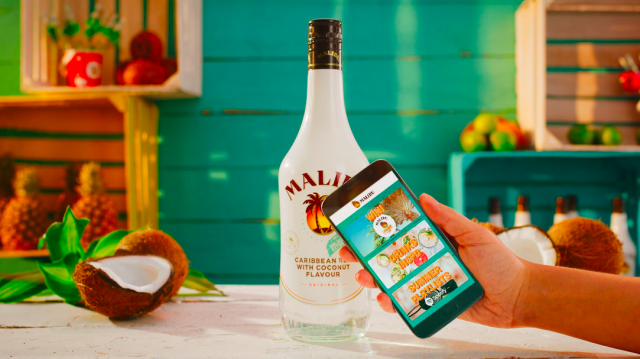
Malibu explored this through an NFC-enabled smart bottle that provided cocktail recipes, music playlists and interactive content after purchase.
Give Consumers Control of Their Data
Consumer concerns around data privacy continue to impact trust.
Many people remain uncertain about how organisations collect, store and use personal information.
Rather than viewing data regulations as obstacles, brands should treat them as opportunities to demonstrate transparency and accountability.
Consumers want clear explanations, meaningful benefits and genuine control over how their information is used.
JD Wetherspoon took a dramatic approach by deleting customer data and rebuilding its data strategy from scratch following growing concerns around privacy and new regulatory requirements.
The brands that succeed will make data sharing feel beneficial, transparent and voluntary.
Brands Supporting the LGBTQ+ Community
More brands are taking visible positions on social and cultural issues.
Several campaigns stood out for moving beyond symbolic gestures and creating meaningful engagement with LGBTQ+ communities.
Coca-Cola
Coca-Cola Brazil responded to a commonly used phrase that questioned sexual orientation by replacing Coke with Fanta inside Coke cans and asking: "This Coke is actually Fanta. So what?"
The campaign challenged stereotypes while promoting diversity and inclusion.
Magnum
Magnum supported transgender youth through limited-edition Pride-themed products that raised awareness and funding.
Barba Men's Grooming Boutique
The US salon offered free hair colouring in the colours of the transgender flag, encouraging participants to raise awareness through everyday conversations and social sharing.
Skittles
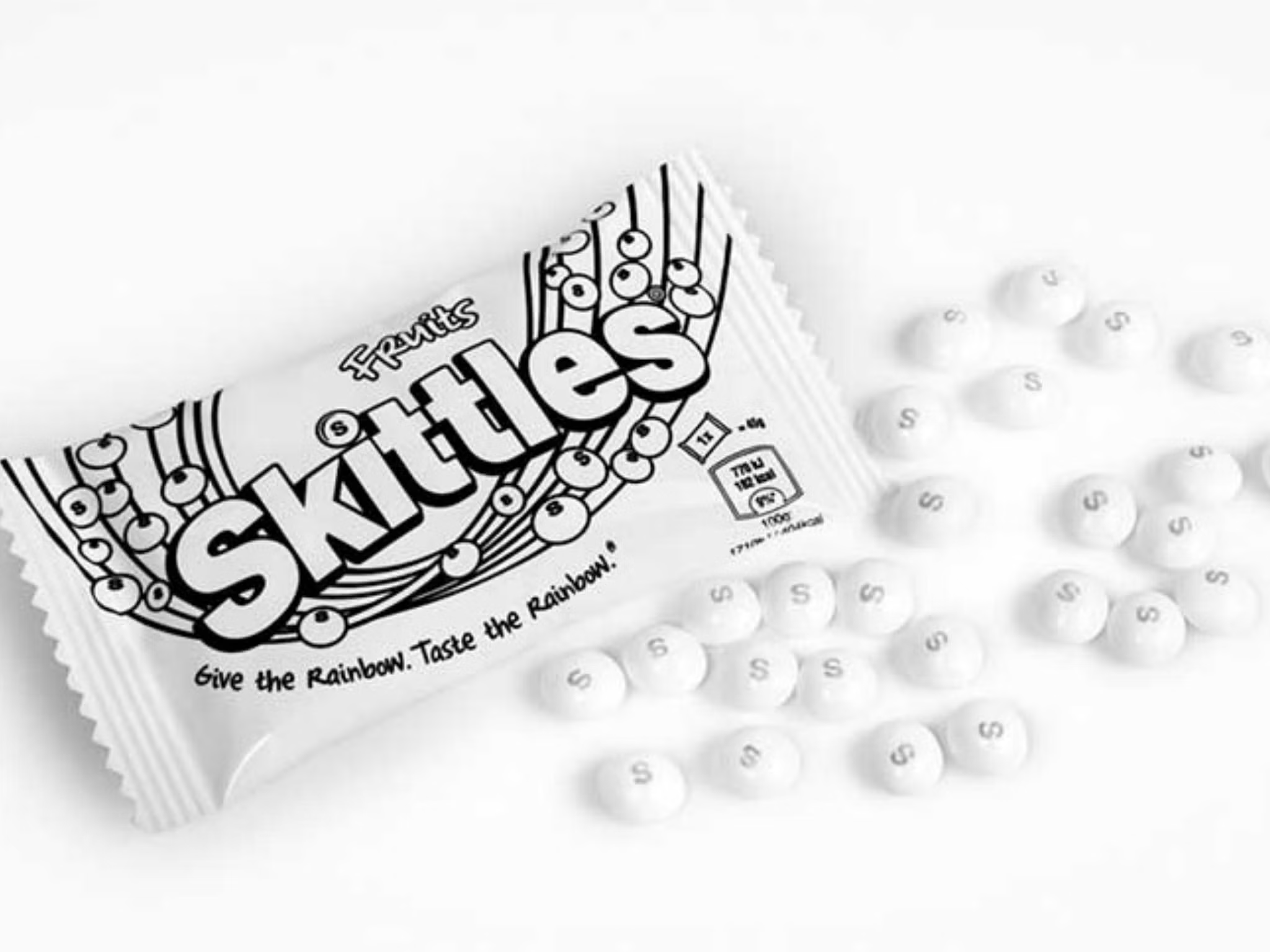
Skittles temporarily removed its iconic rainbow branding, adopting a white pack design with the message that there is only one rainbow that matters during Pride celebrations.

The Power of Influence
Influencer marketing continues to reshape how brands communicate.
Influencers are effective because audiences often view recommendations from creators as more authentic than traditional advertising.
Successful influencer partnerships depend on alignment between brand values, audience expectations and creator identity.
Common mistakes include:
- Prioritising vanity metrics over genuine engagement.
- Treating influencers as one-off advertising placements.
- Selecting creators whose audiences do not align with brand values.
- Failing to build long-term relationships.
The future of influencer marketing lies in longer-term partnerships, stronger audience understanding and more strategic collaboration.

Purpose, Passion & Positivity: Brand Trust in the Drinks Sector
Consumer curiosity is growing.
People increasingly want to understand how products are made, how brands operate and what values they stand for.
Transparency, sustainability and community impact are becoming central to how drinks brands build trust.
A key lesson is that initiatives must feel authentic and connected to the core purpose of the brand.
Topics shaping the future of the drinks industry include:
- Sustainability.
- Reducing plastic waste.
- Community engagement.
- Wellness and mindfulness.
- Non-alcoholic alternatives.
- Local sourcing and provenance.
Consumers are becoming more adventurous and open to discovering new drinks, flavours and experiences, while also expecting brands to behave responsibly.



Expert Insights To Help You Level Up Your Brand
Discover expert tips and insights to enhance your brand's presence.