
HSFF report: The paradox of pleasure
How brands can win in the new HFSS regulatory landcape
Download the report here
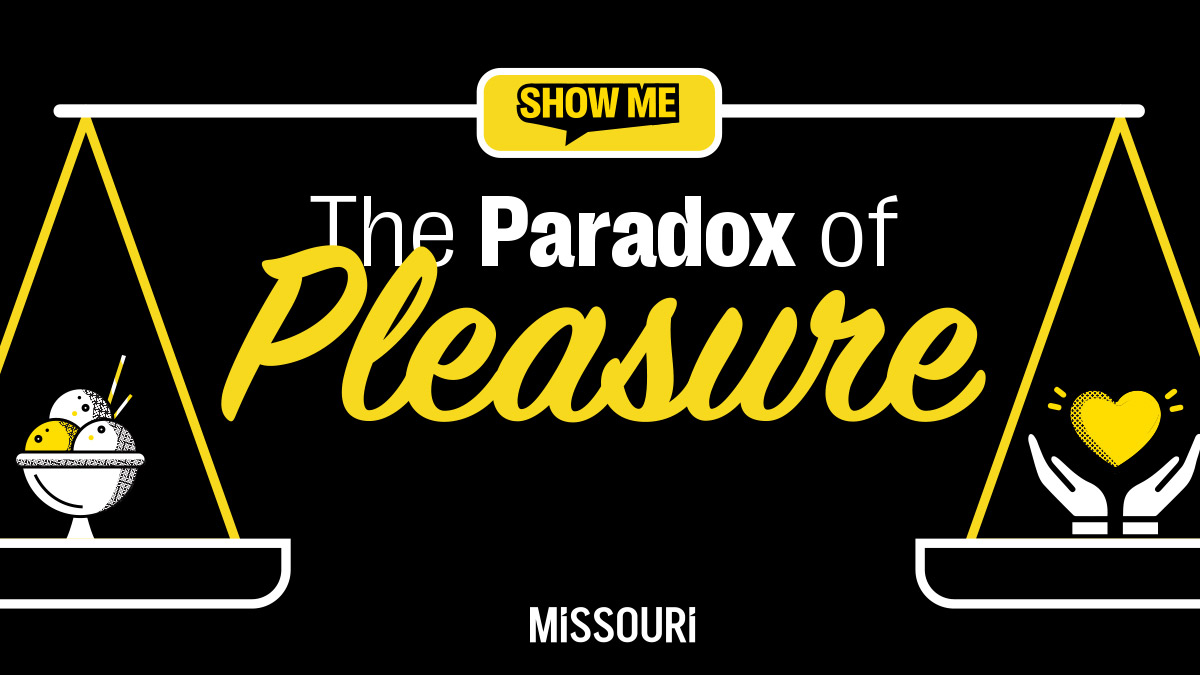
The Paradox of Pleasure
How brands can win in the new HFSS regulatory landscape.
In January 2026, the UK introduced stricter laws around the advertising and marketing of HFSS and LHF foods, followed by updated nutrient profiling guidelines that placed more products into the Less Healthy Foods category.
In this landscape, food and drink design has become a battlefield between two opposing forces:
- The rational impulse to optimise for health.
- The emotional impulse to optimise for pleasure.
This creates what we call the Pleasure Paradox.
The more we restrict the mechanics of pleasure, the more intense our psychological pursuit of it becomes.
We’ve identified four key macro drivers that can help brands navigate this new landscape:
- The Death of the “Easy” High
- Sensory Choreography
- The Ritual as Alibi
- The Micro-Indulgence Future

The Death of the “Easy” High
For decades, the food industry relied on “bliss point” engineering: high levels of sugar and salt designed to maximise reward. Regulation has effectively ended the era of the easy high. When you remove a buy-one-get-one-free chocolate promotion, you’re not simply removing a product, you’re removing a low-friction dopamine hit from a stressful day.
When easy pleasure disappears, consumers don’t stop wanting. They begin to hunt.
We are seeing desire migrate toward unregulated pleasure territories including premium delivery, late-night solo-treat rituals, and the rise of ingredients such as caffeine, protein and collagen that provide alternative forms of reward.

Sensory Choreography: Beyond the Bliss Point
As the chemical levers of pleasure are reduced, food and drink must lean more heavily on alternative sensory signals. The industry is moving from flavour-led indulgence towards texture-led satisfaction.
When sugar is reduced, factors such as texture, viscosity, crunch and temperature contrast need to work harder. This represents a form of sensory regulation that uses the senses to satisfy consumers when traditional reward mechanisms are diminished.
At the same time, “ugly” or maximalist food design is becoming a signifier of authenticity. Imperfect and expressive products increasingly feel more pleasurable than their highly polished counterparts.
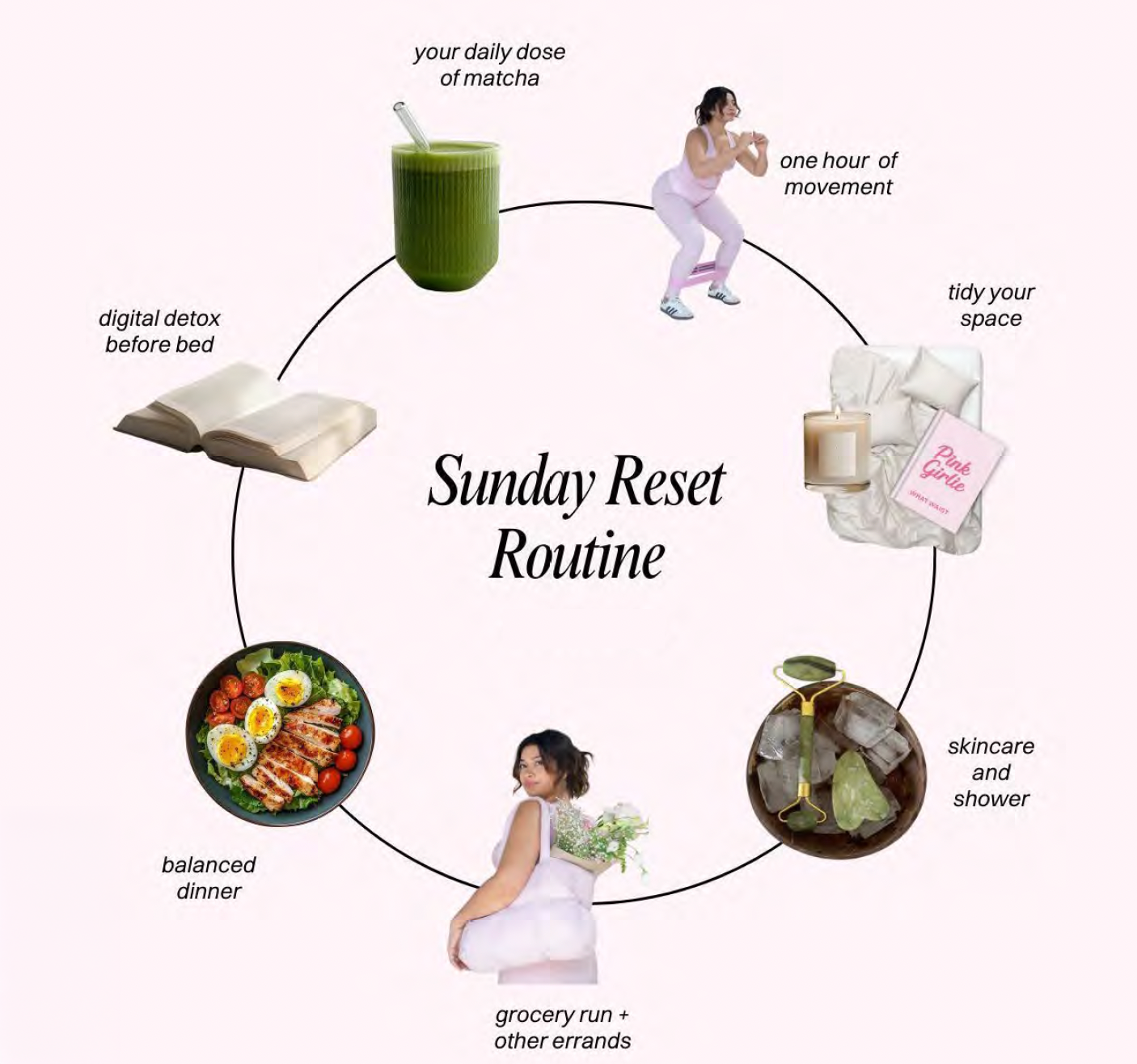
The Ritual as Alibi
People often enjoy indulgence more when it feels earned.
A snack becomes something more when it sits within a ritual: a specific bowl, a curated playlist, or a carefully prepared beverage. Design is increasingly being used to create alibis for indulgence.
If packaging resembles an apothecary item, or preparation involves multiple steps, pleasure becomes reframed as self-care rather than self-indulgence.

The Micro-Indulgence Future
The move towards clinical appetite suppressants such as GLP-1 medications, combined with cost-of-living pressures, is shrinking the quantity of food consumers want to eat.
We are entering an era where satisfaction matters more than satiety.
If consumers only want a few bites, those bites need to deliver an exceptional experience. The future may consist of highly engineered, small-format indulgences that satisfy psychological desires without triggering biological or regulatory concerns.
The HFSS Brand Playbook
The four macro drivers are not simply cultural observations. They provide practical guidance for brands navigating the Pleasure Paradox.
The central provocation is simple:
The brands that win the next decade of British food and drink will not be the ones that find loopholes. They will be the ones that treat constraint as a creative material.
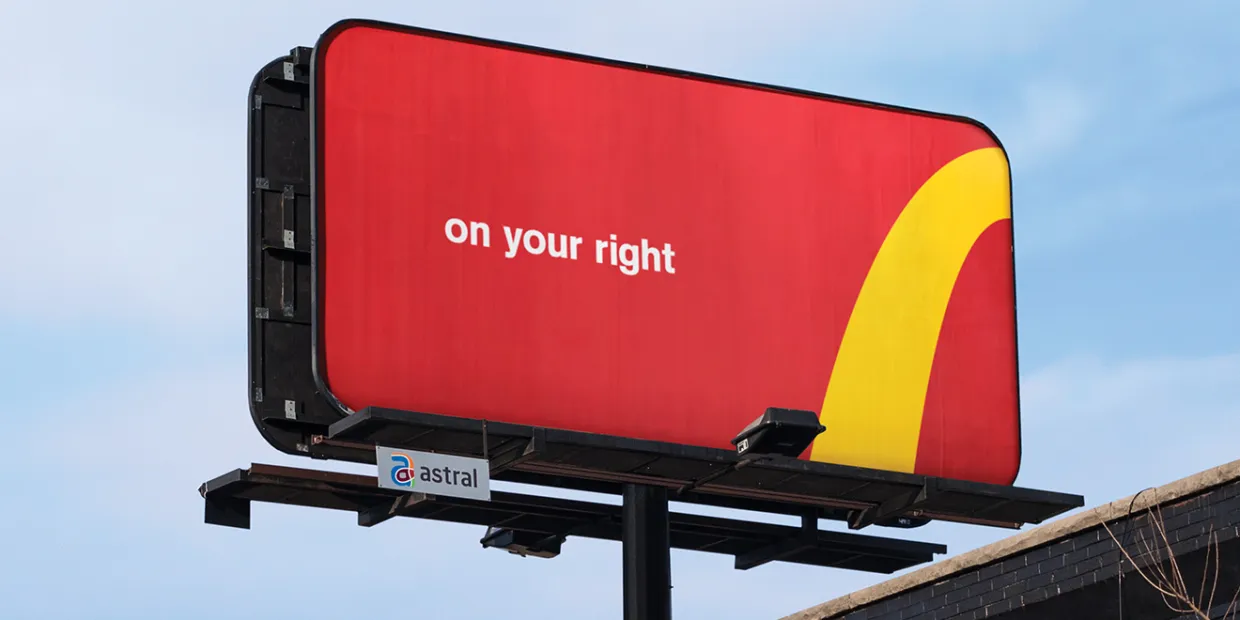
Design Around the Rules: Own the Pre-9pm World
The 2026 advertising restrictions have created two distinct media environments: before 9pm and after 9pm. Smart brands should treat this split as an opportunity.
Daytime communications can focus on building brand worlds, identities and emotional connections without showing products directly.
Brands should ask:
- What emotional territory does the brand own?
- What is the sonic identity?
- How can colour, mood and neuroaesthetics strengthen recognition?
Brands investing in distinctive brand assets today will have a significant advantage tomorrow.
What to Do
- Build a daytime strategy centred on atmosphere and desire.
- Create a post-watershed strategy where product appearance becomes an event.
- Invest in sonic branding, colours and broader brand assets.
- Build a complete brand world, not just packaging.

New Indulgence Codes: Rewriting the Grammar of Treats
For decades, indulgence has meant more sugar, more salt, more fat and more volume.
Regulation has effectively retired that formula and given brands a new challenge: invent a new language of pleasure.
The needs behind indulgence have always been deeper than ingredients. Consumers seek comfort, reward, escape and sensory intensity.
The challenge is to deliver those outcomes through methods that do not trigger the nutrient profiling model.
What to Do
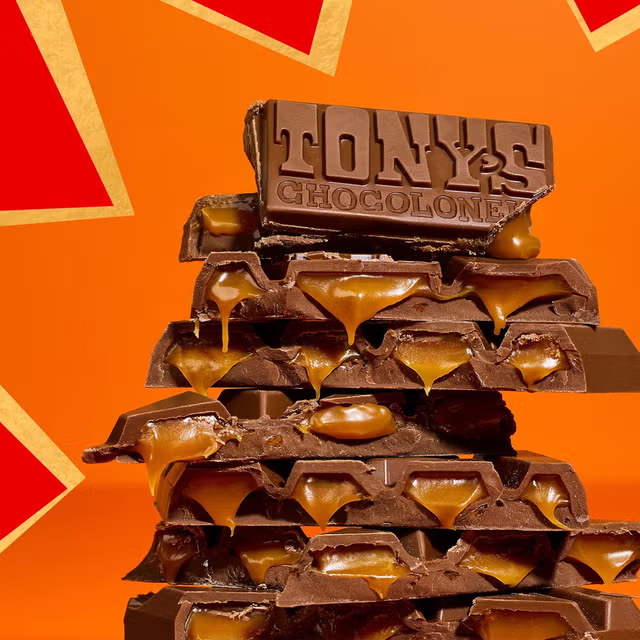
Texture: The snap, shatter and slow yield of food become increasingly important.
Temperature: Warmth, cooling sensations and thermal contrast remain underutilised sources of pleasure.
Scarcity: Limited drops and anticipation-building mechanics can create powerful emotional value.
From Persuasion to Permission
Historically, brands focused on persuading consumers to buy more.
Today, successful brands help consumers feel good about their choices.
This is not about pretending products are healthy. It is about making indulgence feel deliberate, conscious and chosen.
Consumers are increasingly willing to pay more for products that encourage slower, more intentional enjoyment.
What to Do
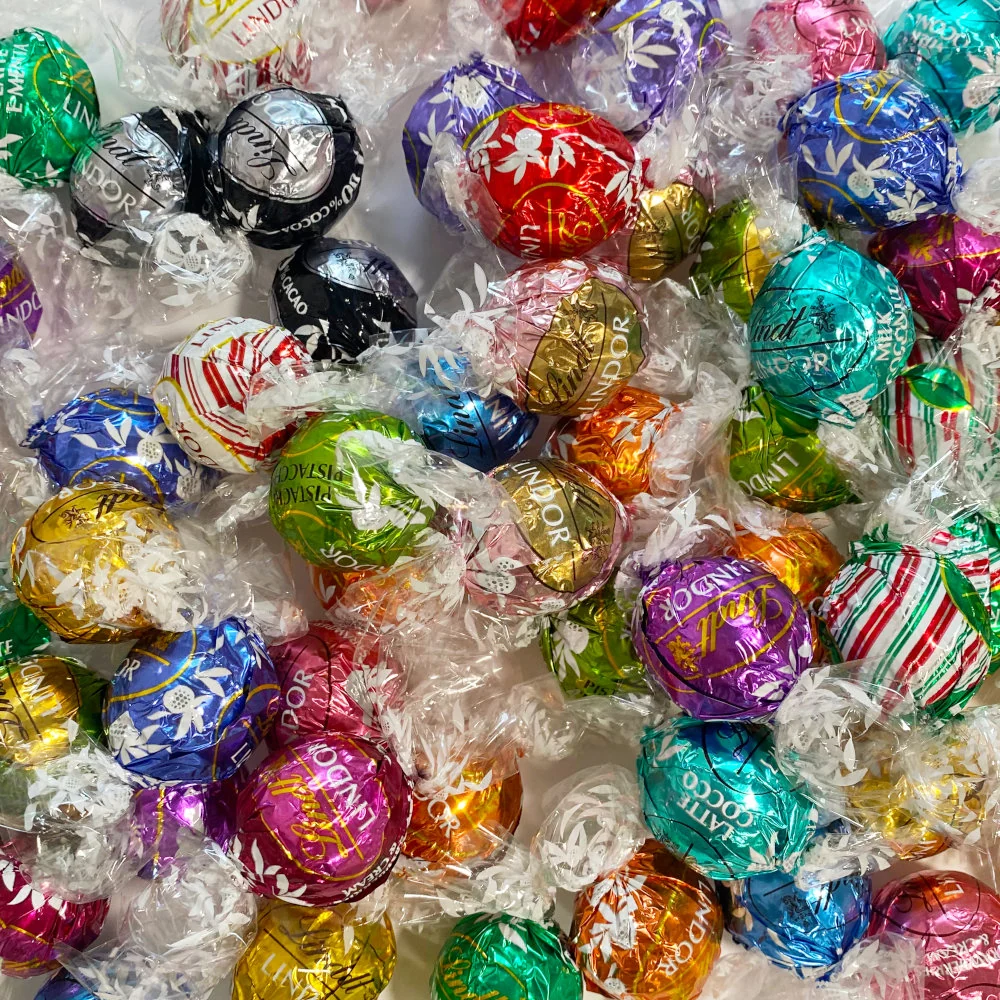
Portionable formats: Individual portions turn consumption into a series of conscious choices.
Deliberate friction: Small preparation rituals create a pause between impulse and enjoyment.
Time-based rituals: Linking consumption to specific moments gives indulgence cultural legitimacy and reduces guilt.
How to Be Indulgent Without Looking Like a Villain
In the post-HFSS landscape, the villain is not indulgence.
The villain is dishonesty.
Consumers understand what a treat is. What they reject is misleading wellness messaging and claims that stretch credibility.
A brand that openly says, “this is a treat and it’s worth it,” can build more trust than one focused on marginal nutritional improvements.
Trust is becoming the ultimate indulgence code.
What to Do
- Lead with emotional value rather than nutritional reduction.
- Focus on how products make people feel.
- Position smaller formats as intentional micro-indulgences rather than compromises.
- Avoid apologetic messaging.
Final Thought
The regulatory landscape is likely to become more restrictive over time. The definition of “less healthy” will continue to expand, while opportunities for traditional product marketing will shrink.
Brands that see each new restriction as a crisis will continually retreat.
Brands that treat regulation as a design brief will discover a new creative frontier.
The Pleasure Paradox is not a problem to solve. It is a tension to design for.
HFSS Explainer
HFSS = High Fat, Salt and Sugar
UPF = Ultra-Processed Food
LHF = Less Healthy Foods
A product can be HFSS without being UPF, and UPF without being HFSS. The public conversation often conflates the two.
What Has Changed?
Since 2022
- Restrictions on impulse-buy positioning at checkouts and key display locations.
Since 2025
- No multibuy promotions on in-scope products.
- No “buy one get one free” mechanics.
- Products may still be discounted, but consumers cannot be incentivised to buy more.
Since January 2026
- 9pm watershed for HFSS TV advertising.
- Ban on paid-for HFSS advertising online.
- Certain forms of brand advertising remain exempt if they do not identify specific HFSS products.
Looking Ahead
Potential future developments include:
- Mandatory healthy food sales reporting.
- Ultra-processed food labelling requirements.
- Taxes on added sugar and salt used in processed foods and restaurants.

Expert Insights To Help You Level Up Your Brand
Discover expert tips and insights to enhance your brand's presence.